
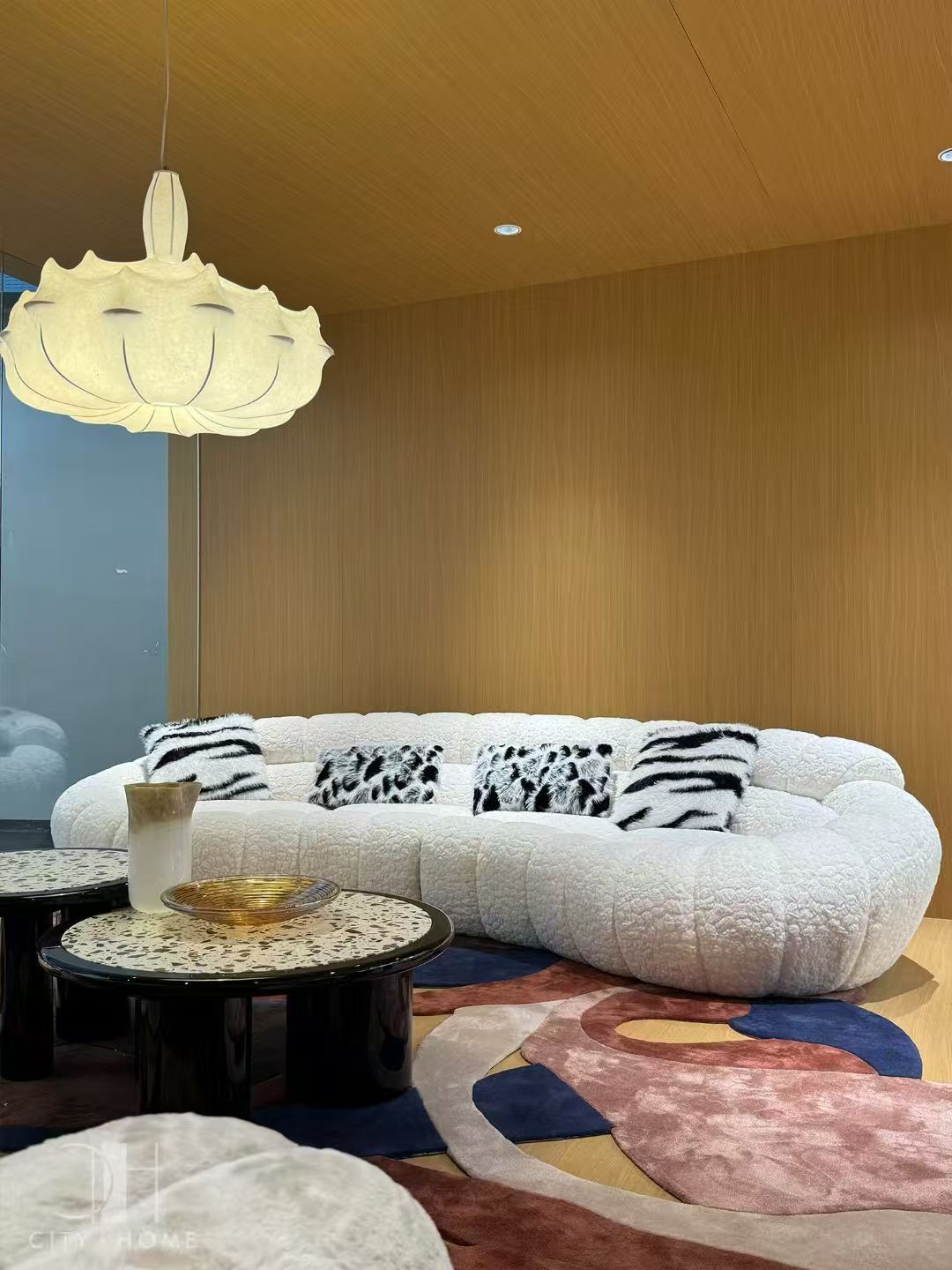
How to Stand Out in a Sea of Similar Furniture Designs: Insights from CIFF
Oct 04, 2025
The 31st China International Furniture Fair (CIFF) in Shanghai gave us plenty to thinking. After speaking with several clients who attended the event, one comment stood out: “Most of the furniture looks the same—there’s little creativity, only copying.”
This honest feedback highlights a real challenge facing today’s furniture industry: homogeneity. Designs often feel repetitive, cost-saving measures overshadow innovation, and many products are difficult to distinguish at first glance.
So, in such a landscape, how can designers, brands, and homeowners create spaces that truly stand apart?
What We Learned from CIFF
CIFF is one of the world’s largest platforms for furniture and interior design, and it reflects both industry strengths and weaknesses. From this year’s show, we saw several clear signals:
· Sameness is everywhere: Many products were slight variations of one another, with little original identity.
· Cost-driven trends: Sofas and other pieces are being compressed and simplified to compete on price.
· Modularity is rising: Flexible, detachable, and reconfigurable designs are gaining ground to suit modern lifestyles.
· Design awareness is growing: Curated sections at CIFF, such as “Design Source” and “HOTLINE,” highlighted creativity, collaboration, and storytelling as central themes for the future.
These insights show us both the challenge and the opportunity: while products may look alike, the key to differentiation lies in design thinking, customization, and experience.
Ways to Break Through the Similarity
Here are some practical approaches to creating distinction in a world of lookalike furniture:
Design the Space, Not Just the Furniture
Interior design is the ultimate differentiator. Layout, lighting, and atmosphere can transform standard pieces into a unique living environment. A skilled designer can give even common furniture a fresh identity.
Offer Customization and Modularity
Allow clients to adjust fabric, color, size, or finishes. Modular elements that adapt to different needs and spaces give a sense of exclusivity without reinventing the core product.
Experiment with Materials and Fabrics
Mixed textiles, bold stitching, embossing, or innovative finishes can elevate a simple design into something memorable. Details in fabric and texture often define the emotional connection to furniture.
Pay Attention to Details
Hardware, seams, legs, and hidden features can make all the difference. Imagine a sofa with a built-in charging port or a dining table with subtly distinctive legs—small details create lasting impressions.